A beginner's calligraphy kit
that isn't junk
Every new student asks what to buy for home practice — and every online 'starter kit' contains at least one thing we'd never hand to a beginner. Here's the honest $60 version we actually recommend.
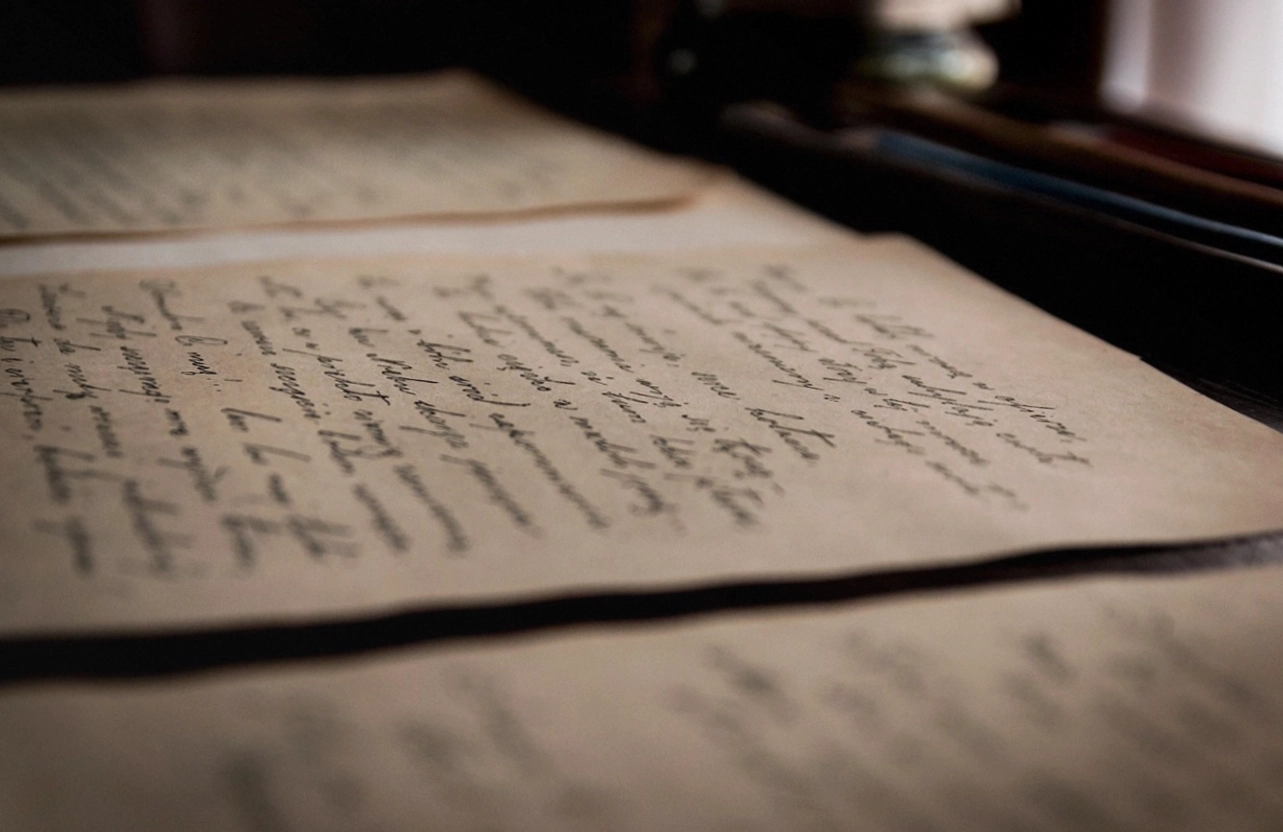
Why most starter kits fail you
Typical $40 online kits bundle a plastic holder, twenty mystery nibs, a pot of ink that feathers on everything, and paper that's actually cardstock. The holder's the wrong shape for learning pressure control, half the nibs are specialists you'll never use, and bad paper hides whether your strokes are working.
You end up practicing against your tools instead of with them.
The holder: one, not five
A straight oblique-holder-shaped... let's simplify: for pointed pen, a basic speedball-style oblique holder (~$15) beats fancy turned wood for learning, because the flange angle does the work for you. Right-handers get oblique; left-handers usually start straight.
For broad edge and brush work, one entry-level marker or a quality brush pen (~$8) teaches pressure without setup fuss.
Half my job as a teacher is un-teaching what a bad kit taught. The other half is telling people their $60 kit is better than a $200 one.
Nibs, ink and paper — the triangle
Two nibs is enough: a Nikko G (~$2 each — buy three, they're consumables) and a Brause 66 for a different flex feel. Skip the variety packs; you'll learn nothing from seventeen nibs you can't tell apart yet.
Ink: one small pot of a reliable practice ink — Higgins Eternal or a basic sumi. Paper is where kits cheat you: get a pad of smooth layout paper (~$12). It shows every stroke honestly and won't feather, which is the entire point of practice paper.
The rest of the bench
A pencil and ruler for guidelines, a water pot, paper towel, and exemplar sheets — print them free rather than buying workbooks at first. Total: roughly $60, every dollar on something that earns its place.
Once you've got three months of practice in, that's when upgrades make sense — better nibs, a fitted holder, real ink. Or come to a Saturday class first and use all of ours free before spending anything.
The class kit box
Eight identical setups laid out every Saturday morning — no junk allowed.